
Mastering Business Expenses: Efficient Tracking and Management Solutions
Introduction: The Critical Role of Business Expenses Management
Let’s talk about business expenses—the unsung (and often unsightly) heroes of every business journey. Imagine business expenses as the everyday pit stops on your company’s cross-country road trip. Fuel, snacks, hotel rooms, maybe the occasional questionable burrito at a gas station. They may not be glamorous, but neglect them and you’ll end up stranded, broke, or both.
At its core, a business expense is any cost that lets the wheels of commerce keep spinning. Paperclips? Business expense. That subscription to yet another AI-driven productivity app you barely use? Business expense. Champagne for your hamster’s birthday party? Okay, maybe not (your accountant’s eye just twitched).
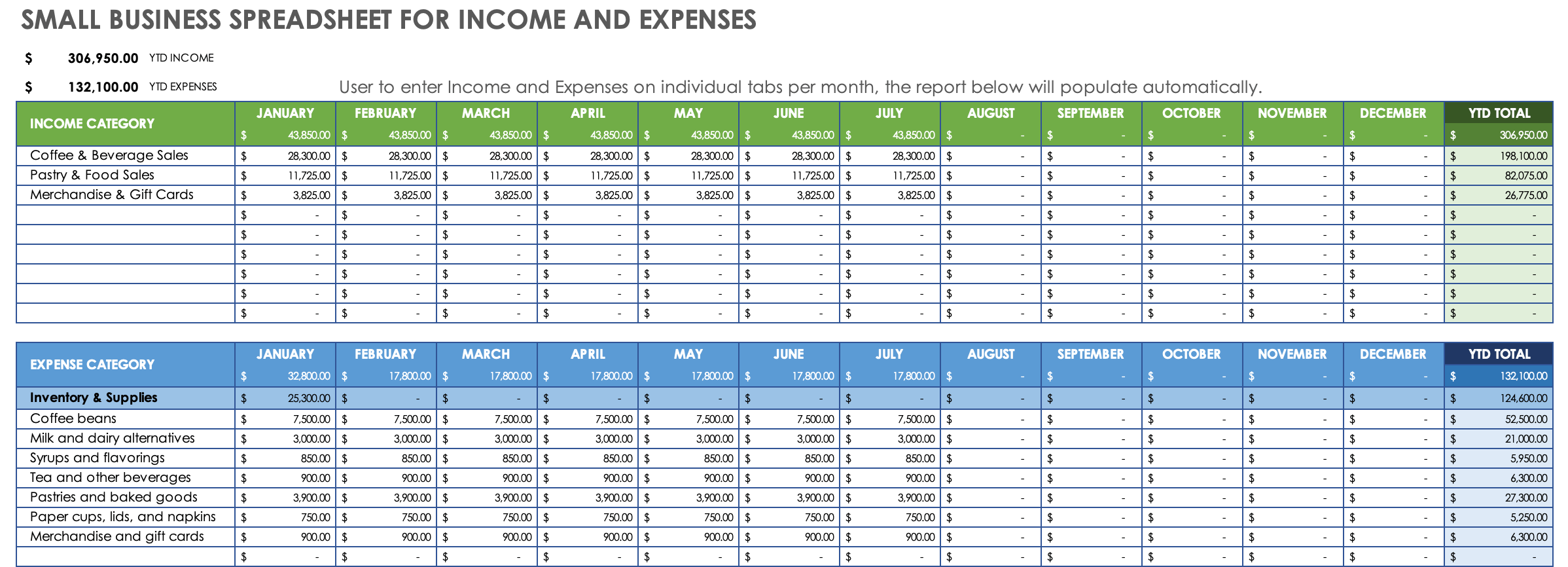
But here’s why this matters: controlling your business expenses—truly mastering them—is like having x-ray vision for your company’s wallet. You see, if you don’t know where the money’s going, how can you steer your business to profit and growth? This is where Expense Hub steps into the limelight, making what used to be a marathon of spreadsheets into a breezy jog.
Expense Hub isn’t “just another app.” It’s the secret sauce that helps businesses spend smarter by automating tracking, data entry, and analytics. Imagine your receipts jumping into the right categories on their own, your budget updating in real time, and you—yes, you—being able to focus on actually growing your business instead of chasing missing receipts.
You’re not alone in this crusade to financial control. According to study after study, businesses that embrace automation for expense management not only save mountains of time, but also cut down on errors and fraud, and accelerate their journey to “profit first” thinking (https://blog.expensehub.io/the-role-of-automation-in-the-modern-financial-analyst-toolkit/). So whether you’re running a lean startup, a bustling enterprise, or your kitchen table side hustle, stick around. We’re about to make business expenses your new favorite business superpower.
The Importance of Tracking Business Expenses
Why Sweat the Small Stuff? (Spoiler: It Adds Up)
Every business owner knows that fortunes are lost one careless coffee at a time. Sure, a $7 latte won’t bankrupt anyone, but add ten, a hundred, a thousand—suddenly, you’ve got a Grande-sized hole in your profit margins.
Financial Transparency and Budget Management
There’s a reason the phrase “death by a thousand cuts” exists. Every unchecked purchase—no matter how innocuous (more sticky notes, another team lunch, “emergency” chair massages)—chips away at your business’s health. A solid business expense tracker is your microscope for spotting these cuts before they bleed you dry.
Say you’ve set a monthly marketing budget of $2,000. Without diligent tracking, campaign costs creep past your limit—first by $50, then by $200—a budget blown before you can even say, “Wait, we paid how much for those branded stress balls?”
With Expense Hub, every penny is categorized, summarized, and visualized in real time, empowering you to pivot instantly rather than panicking at year-end. Napkin math time: Spotting an unnecessary $300 subscription per month is $3,600 per year back in your pocket. Not bad for pressing a few buttons.
Compliance and Fraud Prevention
Let’s waltz into tax territory. Remember that time you forgot to keep a dinner receipt and, come tax time, realized you’d just paid a few hundred dollars too much to Uncle Sam? That’s what happens when compliance is a “cross that bridge when we come to it” issue.
Accurate, well-organized expense records are the shield and sword of legitimate tax deductions. The IRS doesn’t care how charming your handwritten notes are—they care that you can prove every deduction (https://blog.expensehub.io/understanding-compliance-in-expense-management/). And if you think fraud or “accidental double-claiming” can’t happen to you, let me introduce you to Gary from Accounts, who somehow submitted the same hotel bill twice.
Automated review systems, like those baked into Expense Hub, flag these shenanigans before an audit can ruin your Friday night.
Strategic Decision-Making
Here’s the slightly contrarian bit: Expense analysis is sexy. You heard me. Real-time insights have put more money back in businesses’ hands than any motivational poster ever could. When you can see, in graphs and headlines, that you’re overspending on, say, office snacks (guilty as charged) but underspending on customer delight, it’s time for a tactical shift.
Armed with this data, you can negotiate with vendors like a pro, trim the fat, and double down on what actually moves the needle. Curious how Expense Hub takes all this grunt work off your plate? https://blog.expensehub.io/expense-management-software-uk-finances/.
And remember: When you manage expenses like a boss, you’re not just saving money—you’re making it smarter. That’s a profit-first mindset Mike Michalowicz would high-five you for.
Features of an Effective Business Expense Tracker
The Swiss Army Knife of Modern Expense Management
Let’s face it. Most legacy expense solutions are about as fun as filing your own taxes—by candlelight—after three cups of cold coffee. But the right business expense tracker is as handy as a Swiss Army Knife and ten times as sharp.
Seamless Integration: Because Who Needs More Double Entry?
Imagine your expense tracker as the “Instagram filter” for your accounting: it should seamlessly sync with platforms like QuickBooks, Xero, or whatever homegrown spreadsheet your bookkeeper still believes in. Expense Hub does the heavy lifting here, making manual data entry a thing of the past and helping dollars flow exactly where they belong (https://expensehub.io/xero-vs-sage-vs-quickbooks-2025).
User-Friendly Interface: If Your Grandmother Can’t Use It, It’s Too Complicated
Ever try to train your team on a clunky system that requires a PhD and three cups of espresso to log a simple coffee receipt? Yeah—don’t do that. An effective tracker needs to be so intuitive, your sales manager could expense a trip from their phone while running to catch a flight.
Customizable Reporting: See What Truly Matters
Different businesses need different data slices. Want costs broken down by project, employee, or quarter? Customizable reporting in Expense Hub lets you slice and dice expenses your way—turning chaos into clarity, pronto.
Mobile Accessibility: Expense-Reporting, “On the Throne” (Admit It, We All Do It)
If your team can’t snap a receipt and expense it before they lose it—or worse, “accidentally” wash it in their jeans—you’re doing it wrong. With mobile-driven tracking, Expense Hub meets employees where they are: in airports, cabs, or, yes, the restroom.
Automated Data Entry: Let Robots Have Their Fun
Let’s get honest: no one ever woke up thinking, “Gosh, I hope I get to manually key in 57 receipts today.” With OCR (optical character recognition) and tight bank/credit card integrations, Expense Hub drinks in your data and spits out perfectly categorized expenses while you tackle real work.
Policy Enforcement Tools: Prevent Tomorrow’s Problem Today
Who’s really looking at every expense? Expense Hub, that’s who. Rules-based policy enforcement means questionable claims get flagged, and managers get notified—no drama, no awkward watercooler confrontations.
Want a deep-dive into these features? Go on, https://blog.expensehub.io/unlocking-efficiency-expense-management-software. Napkin math: Time saved + errors avoided = real money in your pocket.
Managing Employee Expenses Effectively
Building the Expense “Rulebook” Your Team Can Actually Follow
You wouldn’t hand out company credit cards with the promise, “Just use your best judgment!” (At least not if you want to sleep at night.) Yet tons of businesses run expense policies like a “Pirate’s Code”: vague, flexible, and open to creative interpretation.
Developing a Comprehensive Expense Policy
A solid business expenses policy is clear, concise, and as airtight as a submarine. Set clear spending limits (no, Gary, you don’t need the $60 steak), define what’s reimbursable, and list required documentation. If your staff need a law degree to make sense of it, rewrite it—preferably in plain English.
Want a simple breakdown?
1. Define what’s okay: meals, lodging, transport, yes. Personal shopping sprees, definitely not.
2. Set limits: $100/night max for lodging? Spell it out.
3. Documentation: no receipt, no reimbursement. Simple.
Using Automation for Compliance and Monitoring
Automation is your silent, ever-watchful librarian, gently enforcing the rules while keeping an eye out for troublemakers. Instead of locking expense reports in a dungeon until the finance team recovers from shock, automated tools flag off-limit claims before they hit payroll.
Expense Hub streamlines policy enforcement, instantly flagging too-high lodging or missing receipts, and letting managers review details immediately—no more “I’ll get to it next week” syndrome.
If you’re drafting your first policy, check out https://blog.expensehub.io/understanding-compliance-in-expense-management.
Training and Communication: Turning Policy into Practice
Policies are awesome—if everyone actually knows about them. You wouldn’t give your soccer team a playbook in Latin, so why throw a jargon-stuffed policy manual at your staff and call it a day?
Regular, short training sessions, interactive demos, and on-the-go reminders (built right into Expense Hub) drive home the rules—and make compliance as easy as ordering takeout. Here’s the napkin math: businesses with solid policy training see 30%+ fewer violations (https://blog.expensehub.io/expense-management-for-startups-guide). Not bad for a few lunch-and-learns.
Long story short: A strong expense policy, checked and enforced by automation, with training that’s memorable, is your ticket to hassle-free employee expense management.
Expense Management for the Self-Employed
Making Solo Not Mean “Alone and Overwhelmed”
If you’re self-employed, you’re already playing every role—CEO, janitor, accounts payable. Tracking expenses? It’s somewhere between “I know I should…” and “I’ll get to it after tax season.” News flash: sloppy expense records are the quickest way to donate your hard-earned cash to the IRS.
Unique Challenges in Expense Tracking
“Self employed expenses” require an extra level of vigilance. Here’s why:
- Messy Categorization: Is that coffee a client meeting (deductible!) or just your daily caffeine fix (not so fast)? Knowing the difference can mean hundreds or thousands in legitimate tax deductions (https://blog.expensehub.io/sundry-small-business-expenses-uk-2025-what-you-can-and-cant-claim-the-complete-guide).
- Forgotten Receipts: Let’s be real: receipts are lost, faded, or in the glovebox. Bank statements help—a little—but aren’t enough on their own.
- Mixing Business and Pleasure: That one card for everything seems easy, until untangling business from personal becomes your full-time hobby.
Customized Solutions by Expense Hub
Expense Hub has seen your pain—and built solutions tailored just for the self-employed. Snap a photo of your receipts, assign a category with a tap, and—voilà—everything is logged, sorted, and ready for your accountant’s victory dance come April.
And since maximizing deductions means more money for you (and fewer headaches for your CPA), Expense Hub integrates with leading tax software, providing a crystal-clear path from daily spending to end-of-year filing. No more guesswork, no more panic.
In short: self-employed doesn’t have to mean “on your own.” Align with a tool that’s already sweating the small stuff for you.
Best Practices for Business Expenses Policy
The Golden Rules of Expense Success
Even the best system collapses if no one knows the rules, or if you let policies become “guidelines” after the third round at happy hour. Best practices make it possible to scale, pivot, and sleep soundly at night.
Clear Communication and Regular Updates
Your business expense policy isn’t a “set it and forget it” affair. Business changes. Tax laws mutate. The market morphs. So should your policy.
- Communicate the rules—clearly, in plain English. Not once per year, but every quarter.
- Use visual guides, cheat sheets, or micro-learning sessions for new hires.
- Update your policy when new spend categories pop up, or when fraudsters get creative. Expense Hub makes these updates a breeze, pushing new policies out to every user, instantly.
Want to make your policy bulletproof? Read our https://blog.expensehub.io/improve-expense-finance-process-reporting.
Monitoring and Enforcement
“Trust, but verify”—wise words for policymakers and Russian cosmonauts alike. A robust expense management system, like Expense Hub, doesn’t just track compliance—it enforces it:
- Automated reviews and violation flags.
- Custom alerts for odd spending patterns.
- Audit trails that make forensic analysis easier than finding your keys.
It’s not “Big Brother.” It’s the silent guardian that lets honest team members thrive, rooting out policy slackers early (https://blog.expensehub.io/understanding-compliance-in-expense-management/).
Bottom line: Best practices transform expense management from a corporate headache into an asset—fueling growth, protecting profits, and keeping the taxman happy.
Conclusion: The Value of Efficient Expense Management
Let’s land this plane, shall we? Managing business expenses isn’t just another admin task—it’s the oxygen of good business. When you track every dollar, drive compliance, and automate the grind, you’re not just preventing losses… you’re making every penny count.
Efficient tracking tools like Expense Hub empower businesses to spot hidden leaks, avoid fraud, and recapture margins—no matter the industry, team size, or growth phase. From seamless integration and mobile-friendly receipt capture to real-time analytics and relentless compliance enforcement, Expense Hub banishes the old monsters of lost receipts, blurry policies, and financial blind spots.
So, whether you’re a battle-tested CFO, a busy founder, or a self-employed crusader, mastering business expenses with the right tools and strategies is your not-so-secret weapon for success.
Ready to Take Control of Your Finances?
Enough theory—let’s see what smart expense management looks like for you. Ready to recapture lost capital, say goodbye to rogue receipts, and finally see where every dollar makes its impact? Explore Expense Hub’s suite of business expense management tools today.
Sign up for a free trial or book a demo to experience truly hands-off, empowering expense management. The next level of financial clarity is just one click away. Go on—your future profit margins will thank you.
Internal Links:
– https://blog.expensehub.io/unlocking-efficiency-expense-management-software
– https://blog.expensehub.io/expense-management-software-uk-finances
– https://blog.expensehub.io/the-role-of-automation-in-the-modern-financial-analyst-toolkit
– https://blog.expensehub.io/sundry-small-business-expenses-uk-2025-what-you-can-and-cant-claim-the-complete-guide
– https://expensehub.io/xero-vs-sage-vs-quickbooks-2025
– https://blog.expensehub.io/improve-expense-finance-process-reporting
External Links:
– https://blog.expensehub.io/understanding-compliance-in-expense-management
– https://blog.expensehub.io/improve-expense-finance-process-reporting